- Thread starter
- #176
Flag of Japan (also known as the Nisshōki (日章旗, sun-mark flag) or the Hinomaru (日の丸, circle of the sun)

Ratio: 2:3
Adopted: 27 February 1870 (as civil ensign). Flag slightly changed and adopted as national flag on 13 August 1999.
Part 1
Rule 1: A child could draw this flag from memory, especially if they had a compass.
Rule 2: The first known ocasssion of Japan being associated with the rising sun happened on a letter sent in 607 from Prince Shōtoku of Japan to Emperor Yang of China, in whic the prince called himself "the Son of Heaven in the land where the sun rises " (in the same letter, he called the emperor "the Son of Heaven in the land where the sun sets". The emperor saw this as insolence). The first known flag with a sun in Japan is in the Unpo-ji temple Kōshū and dates from before the 16th century. (According to legend it was given to the temple by the Emperor Go-Reizei during the 11th century. It's just a legend, though.) The sun is an important symbol in Japan, given that Nihon and Nippon (Japan's names in Japan) mean "the sun's origin" and that the Emperor of Japan is said to descend from the sun goddess, Amaterasu.
After Commodore Matthew Perry ended Japan's isolationism Japanese ships were ordered to fly this flag to distinguish them from the ships of other countries. In 1870 the Hinomaru was adopted as Japan's flag. In 1885, however, it was decreed that any law not published in Official Gazette of Japan would be abolished. The law establishing Japan's flag was one of those laws, so technically Japan had no flag from 1885 to 1999, though most people considered the Hinomaru Japan's flag during that time.
During the times of the Japanese Empire the Hinomaru was used as a nationalist symbol (though it was never officially adopted). In a 1934 propaganda film all flags were portrayed as flawed except Japan's, which was perfect. In 1937 girls from the Hiroshima Prefecture ate a "flag meal", consisting of an umeboshi in a bed of rice, to show their support for Japan in the Sino-Japanese War. Displaying the flag was seen as the sign of being a "good Japanese". The places occupied by Japan in East and Southeast Asia, like Taiwan, Korea or Manchukuo (and other places) the Hinomaru had to be used. The Hinomaru was seen as the "Rising Sun flag that would light the darkness of the entire world.".
Japan would join the Axis in WWII. They would lose and be occuppied by the United States. At first, the flag could only be flown with the consent of the Supreme Commander for the Allied Powers. In 1947 the flag was permitted to be used on the National Diet buliding, the Emperor's palace, the Prime Minister's residence and the Supreme Court. In 1948 the flag was allowed to be flown by people on national holidays, and in 1949 all restrictions on the use on the flag were abolished.
After the war the Hinomaru (and Japan's national antem) became controversial, with some associating it with militarism and the Japanese Empire. After a dispute in a high school in Sera, Hiroshima over the use of the Hinomaru in the school, the school's principal committed suicide. This led to a vote in 1999 over the Act on National Flag and Anthem. Japan's ruling conservative party, the Liberal Democratic Party supported the passing of the Act, as did the conservative Komeito party, while the Social Democratic Party and the Communist Party opposed it. The Democratic Party, a centrist party which was the main opposition party, was split. The bill was passed on 22 July 1999 an came into effect on 13 August of that year. Note that before the passing of the Act the sun in the flag was passed one-hundredth towards the hoist (the par closest to the mast), but after the Act was passed the sun is now in dead center.
Rule 3: Red and white. Good colors.
Rule 4: The sun is a pretty simple emblem.
Rule 5: This flag is similar to that of Bangladesh (which has a sun) and that of Palau (which has a moon), but all of those flags have colors that make them distinctive.
Part 2
Japan had no flag before the adoption of the Hinomaru.
Part 3
A very simple flag that is also distinctive. Good flag.
Ratio: 2:3
Adopted: 27 February 1870 (as civil ensign). Flag slightly changed and adopted as national flag on 13 August 1999.
Part 1
Rule 1: A child could draw this flag from memory, especially if they had a compass.
Rule 2: The first known ocasssion of Japan being associated with the rising sun happened on a letter sent in 607 from Prince Shōtoku of Japan to Emperor Yang of China, in whic the prince called himself "the Son of Heaven in the land where the sun rises " (in the same letter, he called the emperor "the Son of Heaven in the land where the sun sets". The emperor saw this as insolence). The first known flag with a sun in Japan is in the Unpo-ji temple Kōshū and dates from before the 16th century. (According to legend it was given to the temple by the Emperor Go-Reizei during the 11th century. It's just a legend, though.) The sun is an important symbol in Japan, given that Nihon and Nippon (Japan's names in Japan) mean "the sun's origin" and that the Emperor of Japan is said to descend from the sun goddess, Amaterasu.
After Commodore Matthew Perry ended Japan's isolationism Japanese ships were ordered to fly this flag to distinguish them from the ships of other countries. In 1870 the Hinomaru was adopted as Japan's flag. In 1885, however, it was decreed that any law not published in Official Gazette of Japan would be abolished. The law establishing Japan's flag was one of those laws, so technically Japan had no flag from 1885 to 1999, though most people considered the Hinomaru Japan's flag during that time.
During the times of the Japanese Empire the Hinomaru was used as a nationalist symbol (though it was never officially adopted). In a 1934 propaganda film all flags were portrayed as flawed except Japan's, which was perfect. In 1937 girls from the Hiroshima Prefecture ate a "flag meal", consisting of an umeboshi in a bed of rice, to show their support for Japan in the Sino-Japanese War. Displaying the flag was seen as the sign of being a "good Japanese". The places occupied by Japan in East and Southeast Asia, like Taiwan, Korea or Manchukuo (and other places) the Hinomaru had to be used. The Hinomaru was seen as the "Rising Sun flag that would light the darkness of the entire world.".
Japan would join the Axis in WWII. They would lose and be occuppied by the United States. At first, the flag could only be flown with the consent of the Supreme Commander for the Allied Powers. In 1947 the flag was permitted to be used on the National Diet buliding, the Emperor's palace, the Prime Minister's residence and the Supreme Court. In 1948 the flag was allowed to be flown by people on national holidays, and in 1949 all restrictions on the use on the flag were abolished.
After the war the Hinomaru (and Japan's national antem) became controversial, with some associating it with militarism and the Japanese Empire. After a dispute in a high school in Sera, Hiroshima over the use of the Hinomaru in the school, the school's principal committed suicide. This led to a vote in 1999 over the Act on National Flag and Anthem. Japan's ruling conservative party, the Liberal Democratic Party supported the passing of the Act, as did the conservative Komeito party, while the Social Democratic Party and the Communist Party opposed it. The Democratic Party, a centrist party which was the main opposition party, was split. The bill was passed on 22 July 1999 an came into effect on 13 August of that year. Note that before the passing of the Act the sun in the flag was passed one-hundredth towards the hoist (the par closest to the mast), but after the Act was passed the sun is now in dead center.
Rule 3: Red and white. Good colors.
Rule 4: The sun is a pretty simple emblem.
Rule 5: This flag is similar to that of Bangladesh (which has a sun) and that of Palau (which has a moon), but all of those flags have colors that make them distinctive.
Part 2
Japan had no flag before the adoption of the Hinomaru.
The flag change in 1999 was extremely minor, so I'm not putting the 1870-1999 flag here.Wikipedia said:While the idea of national symbols was strange to the Japanese, the Meiji Government needed them to communicate with the outside world
Part 3
A very simple flag that is also distinctive. Good flag.



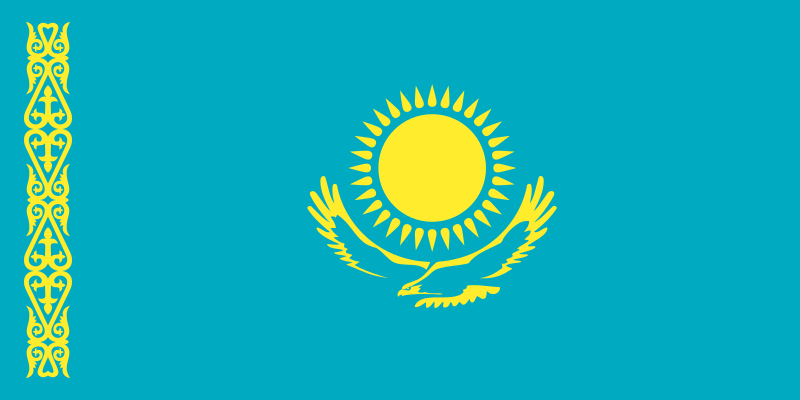
 ). The sun, source of life and energy, symbolizes wealth and plenitude. It has 32 rays similar to grain, representing wealth and prosperity.